Maintain Your First Car: Basic Car Maintenance Checklist for New Drivers | YST Tuning
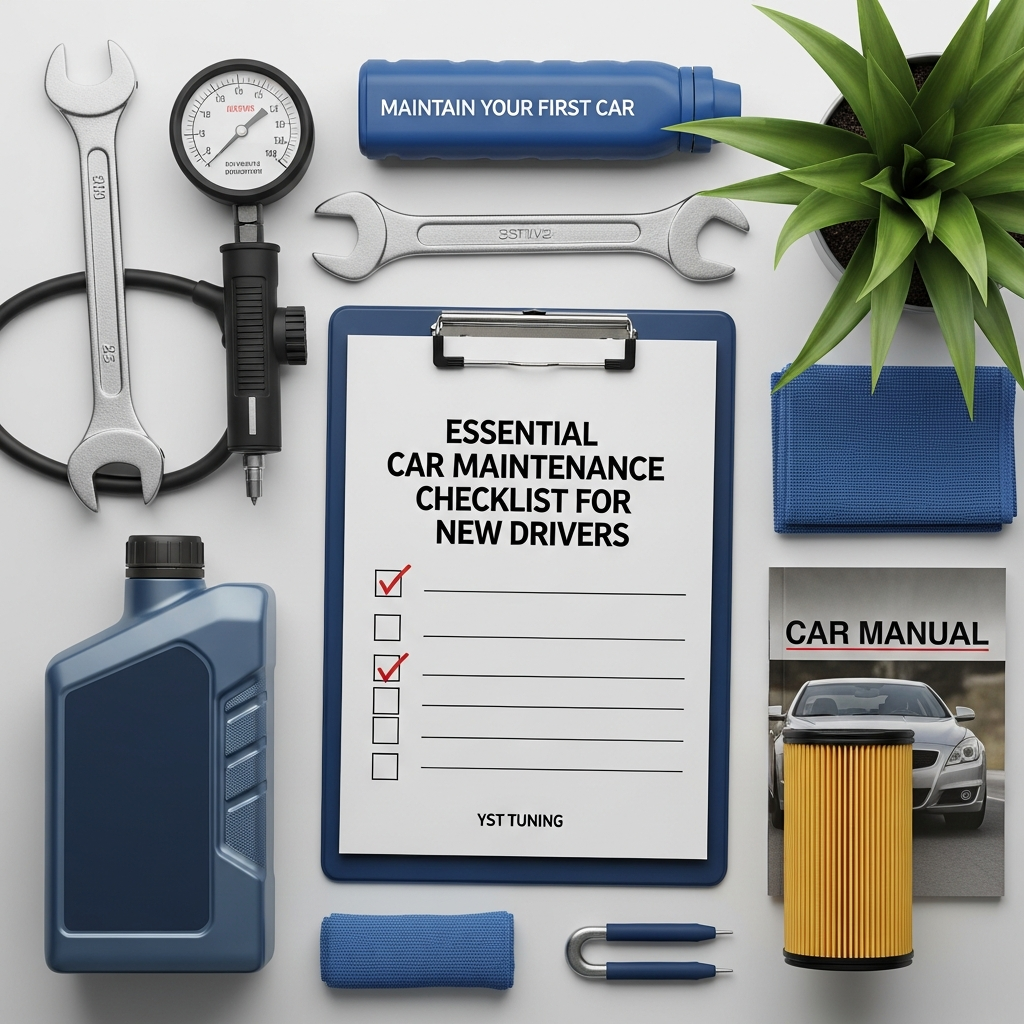
Are you a first-time car owner? Learn the must-know car maintenance tips and basic checks required to keep your vehicle running safely and efficiently. This comprehensive beginner’s guide ensures the longevity of your first car.
Congratulations! Acquiring your first vehicle is a monumental milestone—a gateway to freedom, independence, and adventure. Whether your new ride is a shiny new model or a trusty pre-owned gem, it represents a significant investment. As one of the newest First Time Car Owners, the next critical step is understanding how to maintain that investment.
Far too many new drivers overlook the foundational importance of routine car care, leading to costly repairs and premature vehicle failure. This comprehensive guide will demystify basic maintenance, offering simple, actionable steps to ensure your vehicle remains safe, reliable, and efficient for years to come. Learning to care for your car now will save you thousands of dollars and countless headaches later.
Understanding Vehicle Longevity
An automobile is a complex machine that functions under extreme pressure, heat, and friction. Ignoring regular maintenance is like running a marathon without drinking enough water—it will eventually break down. Lack of understanding is often the primary cause of new drivers’ initial fear of maintenance. Understanding how to Maintain your First Car isn’t just about avoiding breakdowns; our goal is to give you confidence in place of that anxiety. Preserving your car’s resale value, optimizing fuel efficiency, and, above all, guaranteeing your safety and the safety of your passengers are all reasons to learn how to maintain your first car.
Routine care minimizes the risk of catastrophic failure. For example, consistently neglecting oil changes can lead to engine sludge and eventual seizure—a repair that almost always exceeds the cost of dozens of oil changes combined. Simple, preventive actions are always cheaper than reactive repairs.
Maintain Your First Car: A BEGINNER’S GUIDE TO BASIC CAR MAINTENANCE
The Daily & Weekly Check: Owner’s Routine
While deep maintenance should be left to professionals, every driver should adopt a quick routine to spot emerging issues before they become serious problems. This is the simplest part of your overall maintenance strategy.
The Daily Walk-Around (Before Driving)
Visual Inspection: Quickly check around the vehicle. Are the tires obviously low? Is there a puddle of fluid underneath? (Note: Clear water condensation from the AC is normal).
Warning Lights: Before starting, observe the dashboard warning lights. They should all illuminate briefly (as a bulb check) and then immediately extinguish. If the check engine, oil pressure, or battery light stays on, do not drive the vehicle.
Brake Feel: Pay attention to the first few stops. Do the brakes feel spongy, or do they grind?
The Weekly Check (Five Minutes Max)
Tire Pressure: Check the PSI (pounds per square inch) using a reliable gauge. This should be done when the tires are cold (the car hasn’t been driven recently).
Wiper Function: Ensure wipers move smoothly and clean the windshield effectively. Check the washer fluid level.
Lights Check: Turn on your headlights (low and high beam), turn signals, and brake lights (have a friend step on the pedal, or back up to a reflective surface). Malfunctioning lights are a significant safety hazard and illegal.
The Lifeblood: Fluids and Filters
If the engine is the heart of your vehicle, the fluids are the blood, and the filters are the kidneys. They all work together to keep the system clean and cool.
Engine Oil: The Most Important Fluid
Engine oil lubricates moving parts, reduces friction, and pulls heat away from critical components. Refer to your owner’s manual for the correct oil type (synthetic, conventional, or a blend) and the required viscosity (e.g., 5W-30).
Checking the Dipstick: On most modern cars, locate the brightly colored handle (usually yellow or orange). Pull it out, wipe it clean, reinsert it fully, and pull it out again. The oil level must be between the “Min” and “Max” marks.
Color and Consistency: New oil is typically amber/golden. As it ages, it darkens. However, if the oil is thick, sludgy, or has a milky, frothy appearance (a sign of coolant contamination), get professional assistance immediately.
Change Interval: While some manufacturers suggest intervals up to 10,000 miles for full synthetic, driving habits (especially stop-and-go city driving) often require changes closer to 5,000–7,500 miles. Never exceed the manufacturer’s maximum recommended interval.
Coolant (Antifreeze)
Coolant regulates engine temperature, preventing overheating in summer and freezing in winter. Low coolant levels are a primary cause of engine damage.
Location: Check the clear plastic reservoir tank (usually near the radiator) when the engine is cold. The level should sit between the minimum and maximum lines.
Caution: Never open the radiator cap or coolant reservoir when the engine is hot. The pressurized liquid can spray out and cause severe burns.
Other Essential Fluids
Brake Fluid: Hydraulic brake fluid transfers pressure from the pedal to the calipers. It is typically checked via a reservoir on the firewall. If this fluid is low, it often indicates worn brake pads or a leak—immediate professional inspection is required.
Transmission Fluid: (Crucial for automatics). While many newer vehicles have “sealed” transmissions, others have a dipstick. Check the manual for the correct procedure. Low transmission fluid can quickly destroy the gearbox.
Power Steering Fluid: (If not an electric system). Check the reservoir level. Low fluid often results in a loud whine when turning the wheel.
Tire Care: Your Vehicle’s Only Contact with the Road
Your tires are the single most important safety feature of your vehicle. Proper inflation and healthy tread are non-negotiable for handling, braking, and fuel economy. Following a detailed Car Maintenance Checklist ensures optimal safety and prolongs the life of your tires.
Tire Pressure (PSI)
Do not use the maximum pressure stamped on the tire’s sidewall! Always use the pressure specification listed on the sticker located inside the driver’s side door jamb (or sometimes in the glove box or fuel filler cap).
Low Pressure Effects: Reduces fuel economy, causes premature wear on the outer edges of the tread, and increases the risk of dangerous blowouts.
High Pressure Effects: Causes premature wear down the center of the tread and results in a harsher ride and reduced grip.
Tread Depth and Rotation
The Penny Test: Insert a penny head-first into the deepest groove of your tire tread. If you can see the top of Lincoln’s head, your tread is worn down, and you need new tires. Legally, the minimum depth is 2/32 of an inch.
Rotation: Tires wear unevenly depending on their position (front-wheel drive cars wear front tires faster). Rotating your tires every 5,000 to 7,500 miles ensures balanced wear, extending their lifespan and improving handling.
Power Management: Battery Health
The car battery is responsible for starting the engine and running basic electronics when the engine is off. The average lifespan of a car battery is 3 to 5 years, though climate extremes can shorten this.
Check for Corrosion: Periodically lift the hood and look at the battery terminals. If you see white or bluish crusty deposits, this is corrosion that inhibits the battery’s ability to transmit power. This can be cleaned carefully using a mixture of baking soda and water and a wire brush.
Tightness: Ensure the battery clamps are tight. A loose connection can prevent charging and cause the car to fail to start.
Warning Signs: If your car struggles to turn over when starting, or if the headlights dim noticeably when idling, it’s a sign your battery or charging system needs testing.
Safety Priority: The Brake System
Effective brakes are paramount. As a new driver, you must learn to recognize the signs that your brake system needs attention.
Squealing or Squeaking: Most modern brake pads have built-in “wear indicators”—small metal tabs that screech when the pads have worn down to a critical level. This is your initial warning.
Grinding: If you hear a deep, metal-on-metal grinding sound, the pads are completely gone, and the caliper is pressing the metal backing plate against the rotor. This damages the rotor, increases repair costs significantly, and is extremely dangerous. Stop driving and seek repair immediately.
Vibration: If the steering wheel or brake pedal shudders when you brake, it usually indicates warped brake rotors that need to be machined or replaced.
Spongy Pedal: If the brake pedal feels soft or sinks slowly toward the floor, you may have air or a leak in the brake fluid line. This requires immediate professional attention.
Decoding the Service Schedule: Know Your Manual
Your owner’s manual is your vehicle’s Bible. It outlines the specific maintenance requirements, fluid types, and service intervals determined by the manufacturer. For every new driver, learning how to Maintain your First Car is a journey that starts with understanding this manual.
The 30-60-90k Mile Rule
While maintenance varies greatly by vehicle brand, traditional maintenance schedules often feature major checks at 30,000, 60,000, and 90,000 miles. These major services go beyond oil changes and often include:
- Spark plug replacement.
- Timing belt/chain inspection or replacement (critical on certain engines).
- Full inspection of all belts and hoses.
- Flushing and replacement of brake, transmission, and coolant fluids.
- Inspection of suspension and steering components.
Sticking to this schedule is essential for warranties and long-term reliability. Always document any service performed, keeping receipts and dates organized. This creates a valuable service history.
Troubleshooting and Emergency Preparedness
Even with perfect maintenance, issues can arise. Knowing how to react safely can prevent minor incidents from becoming major crises.
What to Do When the Temperature Gauge Spikes
If your engine temperature gauge moves into the red zone, pull over immediately and safely. Turn the engine off. Continuing to drive an overheating engine will cause severe, irreversible damage. Wait for the engine to cool completely before inspecting (and never open the cap when hot).
Handling a Flat Tire
Every driver should know where their spare tire, jack, and lug wrench are located. Practice locating them and removing the lug nuts once. Changing a flat tire safely on the side of a busy road is challenging; if you are uncomfortable, use roadside assistance, but knowing the basics is a crucial skill for independence.
The Essential Roadside Emergency Kit
Keep a basic kit in your trunk at all times:
- Jumper cables or a portable jump starter.
- A basic tool kit (screwdrivers, adjustable wrench).
- First-aid kit.
- Flares or warning triangles.
- Tire pressure gauge.
- Duct tape and electrical tape.
Budgeting and Smart Maintenance Tips
Maintenance is an ongoing cost, but it should be viewed as insurance against massive, unexpected bills. Experts recommend budgeting at least $50-$100 per month for routine maintenance and minor repairs.
DIY vs. Professional
Some tasks are simple enough for a beginner: topping off washer fluid, checking tire pressure, and changing a burnt-out headlight bulb (if easily accessible). However, complex systems like brakes, suspension, and internal engine components should always be handled by certified professionals. Don’t risk compromising safety for a small saving.
Selecting a Mechanic You Trust
Finding an honest, skilled mechanic is as important as finding a good doctor. Seek recommendations, look for certifications (like ASE), and always get a written estimate before authorizing work. Question any complex service that wasn’t recommended in your owner’s manual.
By implementing these Must-Know Car Maintenance Tips, you protect your investment, maintain its maximum efficiency, and ensure that your first car serves you well throughout your early driving career. These preventative measures are the cornerstone of smart vehicle ownership. We believe these Car Tips for new drivers provide the essential framework needed for success.
Taking ownership of your vehicle’s maintenance doesn’t have to be complicated or stressful. By adhering to a simple schedule—checking fluids monthly, inspecting tires weekly, and following the manufacturer’s major service intervals—you drastically improve the reliability and lifespan of your first car.
Remember, the early detection of a small issue (like a loose belt or low fluid) is the key to preventing a serious mechanical failure. Drive safely, maintain wisely, and enjoy the open road knowing your vehicle is running exactly as it should be.
Keep in mind that your car is a major investment, so consider taking your car to YST Auto Service for a full car inspection. YST Auto Service is your one-stop destination for auto repair in Mississauga, Toronto. Our professional mechanics can identify potential issues and ensure your vehicle is ready for the changing season.
YST Auto Service is an excellent choice for professional car maintenance. Our dedication to quality, convenience, and customer satisfaction makes us an outstanding choice for drivers looking for regular car servicing. With a team of qualified technicians, a wide range of services, and an emphasis on fair pricing and sustainable techniques, YST Auto Service is well-equipped to handle your car maintenance needs promptly and professionally.
At YST Auto Service, we deliver only the highest quality car services and repairs. We provide all manner of auto repair and car maintenance services to keep your vehicle running strong and smooth. From keeping proper tire traction to ensuring your battery is up to the task, these tips will help you enjoy the autumn drive with confidence and comfort.