What Should You Do if Your Car’s AC or Heater Smells: Find out what you should do if your car’s AC or heater smells. Diagnose mould, mildew, gas, or burning odours quickly and fix the issue today.
For many drivers, stepping into a vehicle should be a pleasant experience, free from unpleasant distractions. However, one of the most common—and possibly most irritating—problems that car owners confront is a foul odour emerging from the heating, ventilation, and air conditioning (HVAC) system.
Whether it’s a slight mustiness, a harsh chemical odour, or the ominous odour of burning plastic, the initial reaction is usually worry and confusion. The main question that drives every driver to the internet is: What should you do if your car AC or heater smells? Addressing this problem quickly is essential, not just for comfort, but also often for vehicle health and passenger safety. This comprehensive guide will walk you through the precise diagnosis, the most effective DIY fixes, and when it’s absolutely necessary to seek professional automotive assistance.
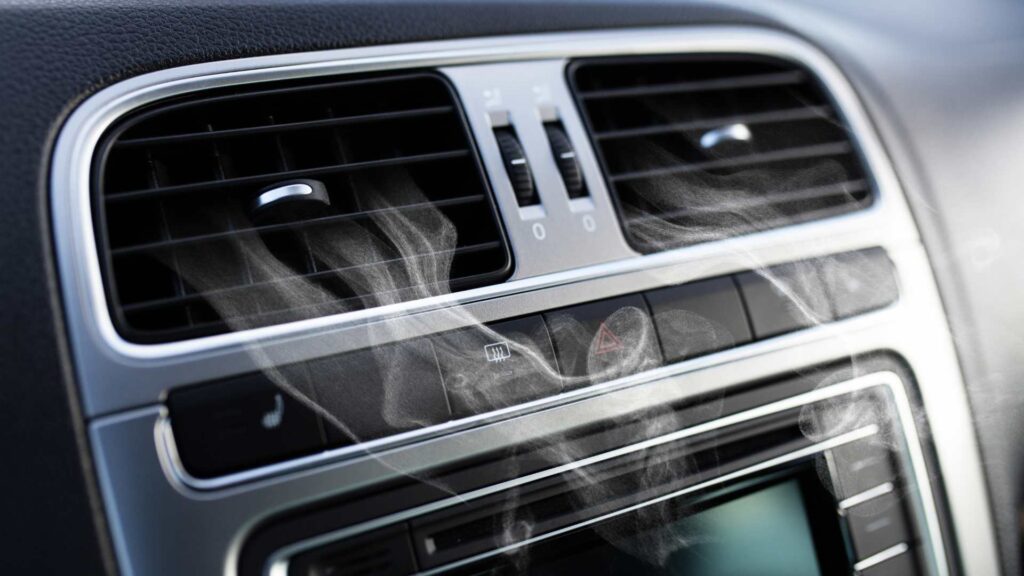
What Should You Do if Your Car’s AC or Heater Smells
Recognizing the Source of the Odour
Before you can implement any solution, you must identify the origin point of the odour. The HVAC system in your car is a complex loop that draws air in from outside (or recirculates cabin air), passes it through filters, over cooling components (the evaporator), and heating components (the heater core), and finally pushes it through the vents.
A smell can originate at any point in this process, and different smells indicate vastly different problems. Ignoring the smell is never recommended. While a musty odour is usually just a comfort issue caused by excess moisture, other scents—like gasoline, burning oil, or sweet syrup—can indicate a mechanical failure that requires immediate attention and potentially poses a fire or health hazard.
Understanding what should you do if your car AC or heater smells involves understanding that the smell is merely a symptom of a deeper issue, ranging from a clogged drain tube to a significant fluid leak. The two main sources for any odour, irrespective of the type, are external ingestion or internal accumulation. External odours, like exhaust from the car in front of you, are temporary and usually solved by switching to recirculation mode. Internal odours are persistent and require systemic treatment. These are often related to moisture buildup on the evaporator core or decay within the air ducts, issues that often necessitate a comprehensive HVAC odour diagnosis by a qualified technician.
Smell Diagnosis: Decoding the Different Types of Odours
The type of smell you detect is the most critical diagnostic clue. Learning to distinguish between these scents will determine your course of action and answer the pressing question: What should you do if your car AC or heater smells this way?
The Musty, Mouldy, or “Wet Sock” Smell
This is, by far, the most common complaint. This foul, musty scent is the signature of microbial growth—specifically mould, mildew, fungi, and bacteria—thriving on the dark, damp surfaces of the evaporator core. The evaporator cools the air, and condensation is a natural byproduct. If this moisture doesn’t drain properly or if the system remains damp for extended periods, it becomes a perfect breeding ground. This smell often worsens when the AC is first turned on or when the system is switched from AC to heat. Addressing this usually involves deep cleaning and a timely cabin air filter replacement.
The Sweet, Maple Syrup Smell
If your car’s vents are blowing a distinctively sweet, almost candy-like odour, this is highly concerning. This sweet smell is typically ethylene glycol, the main component in engine coolant or antifreeze. This means you likely have a leak in the heater core, which is essentially a small radiator tucked behind your dashboard. When the heater core leaks, coolant vaporizes and gets blown into the cabin. This is dangerous because coolant is toxic, and inhalation can be hazardous. Furthermore, a leaky heater core means your engine is losing fluid, risking overheating. If you detect this, immediate professional service is mandatory.
The Burning or Electrical Smell
A sharp, acrid odour reminiscent of burning plastic, rubber, or wiring indicates a serious electrical fault. This could be anything from a failing blower motor resistor, a frayed wire shorting out, or even an overworked fan motor drawing too much current. Since modern vehicles rely heavily on complex wiring systems that run throughout the dashboard, a burning electrical smell requires you to safely pull over, turn off the vehicle, and avoid driving until a thorough HVAC odour diagnosis has been completed. This is a fire risk.
The Fuel or Exhaust Fume Smell
If you smell raw gasoline or exhaust fumes (especially a sulphurous, rotten egg smell), the air intake is likely pulling in gases that should not be near the cabin. This could be due to a disconnected or cracked exhaust manifold, a leaking fuel injector, or a compromised seal on the trunk floor, allowing fumes to enter. The “rotten egg” smell specifically points toward unburnt fuel or a catalytic converter that is failing to properly process sulphur.
How to Deal with Mould, Mildew, and Bacteria
The vast majority of unpleasant odours fall into the musty category. To truly understand the solution, you must understand the environment causing the growth. The evaporator core functions similarly to the coils on a refrigerator, chilling incoming air. When air is cooled below its dew point, moisture condenses on the cold fins of the evaporator. This water should ideally drip down into a drain pan and exit the vehicle through a small rubber drain tube located, usually, underneath the car. If the drain tube gets clogged by debris, road grime, or insects—a surprisingly common occurrence—the water backs up into the HVAC system housing. This stagnant, dark, lukewarm water is the perfect petri dish for microbes. Even if the drain is clear, simply shutting off the car immediately after running the AC leaves the evaporator drenched.
To mitigate this specific issue, the answer to what should you do if your car AC or heater smells of mildew involves two main actions:
Chemical Sanitization: Using specialized aerosol disinfectant products (often referred to as ‘bomb’ or ‘fogger’ kits) designed to kill the fungi and bacteria on the evaporator fins and inside the air ducts. These products circulate through the system and neutralize the source of the smell.
Physical Removal: Replacing the cabin air filter is non-negotiable. This filter acts as a barrier, trapping dust, pollen, and large particulates before they reach the evaporator. Over time, a saturated filter itself becomes a source of odour and bacterial growth. Some drivers forget they even have one, but regularly scheduled filter replacements are a cornerstone of car smell fix maintenance. Consult your owner’s manual or an automotive service center like YST Auto Service for the correct replacement intervals, which are usually yearly or every 20,000 kilometres.
What Should You Do When Smells Signal Serious Leaks
While mildew is annoying, chemical smells—especially sweet, oily, or fuel-related odours—demand immediate professional attention because they signify a leak that affects both vehicle performance and health safety. If the sweet smell of antifreeze is present, as detailed above, the leak is most likely internal within the heater core.
Replacing a heater core is not a simple DIY job. It often requires removing a significant portion of the dashboard, a procedure that is highly complex and time-consuming, necessitating specialized tools and expertise in automotive diagnostics and assembly. Attempting this without training can result in damage to sensitive electrical components. This is definitely a time to seek an expert car smell fix. Similarly, if you smell oil, this could indicate an engine oil leak dripping onto hot engine components (like the exhaust manifold). The heat instantly vaporizes the oil, and the smell is drawn into the fresh air intake.
While a minor valve cover gasket leak might not stop you immediately, the constant presence of burning oil smells suggests a significant loss of lubrication and potentially dangerous operating conditions. For fumes, such as exhaust, checking the integrity of the exhaust system is crucial. Exhaust gases contain carbon monoxide, a highly toxic, odourless gas. If you smell exhaust inside the cabin, there is a risk of carbon monoxide exposure, which is extremely dangerous, even fatal. Addressing the source of the leak—be it an exhaust flange or a compromised seal—must be done immediately.
DIY Solutions vs. Professional Service: What Should You Do If Your Car AC or Heater Smells?
When facing the persistent question of what you should do if your car AC or heater smells, the choice between DIY and professional repair depends entirely on the odour type and your mechanical skill level.
DIY Solutions (Best for Musty/Mildew Odours):
Evaporator Drying Technique: A simple, preventative measure that also helps remedy mild existing smells is running the fan (AC off, heat off) on high for 5 to 10 minutes before reaching your destination. This dries the evaporator core, preventing moisture accumulation.
Filter Replacement: As mentioned, changing the filter is the simplest car smell fix, often resolving mild odours instantly.
Chemical Deodorizers: Purchase an HVAC cleaning foam or aerosol fogger specifically designed for automotive use. Follow the directions precisely, which usually involve running the system on recirculation while the product is dispersed. This is effective for surface bacteria.
Professional Service (Mandatory for Chemical, Burning, or Persistent Musty Odours):
If the smell is sweet (coolant), burning (electrical), or gassy (fuel/exhaust), or if DIY efforts fail to eliminate deep-seated mildew, professional intervention is required. Specialized shops, particularly those focused on comprehensive vehicle maintenance like YST Auto Service, possess the tools necessary for proper HVAC odour diagnosis.
Deep Evaporator Cleaning: Professionals can access the evaporator core more directly, often using specialized probes and industrial-strength disinfectants.
Leak Detection: They use pressure testing and specialized dyes to confirm and locate coolant leaks (heater core) or utilize diagnostic tools to trace electrical shorts causing burning smells.
Drain Clearance: If the drain tube is clogged internally, a technician can access it from underneath the car and safely clear the blockage, ensuring proper drainage and eliminating the stagnant water source.
Advanced Prevention and Maintenance
Proactive maintenance is the best defence against foul odours. A key aspect of understanding what you should do if your car AC or heater smells is realizing that prevention is cheaper and easier than remediation. Regular attention to your vehicle’s integrated air system is crucial. The components that make up the vehicle’s heating, ventilation, and air conditioning system (often referred to as an HVAC system) are highly interconnected with the engine’s cooling system.
Maintaining the overall integrity of this setup, including the condenser, compressor, and associated pipework, will minimize the risk of leaks and breakdowns that lead to unusual smells. Readers interested in the mechanical workings of these complex systems can find highly detailed diagrams and explanations on authoritative sites like the Wikipedia page dedicated to HVAC systems.
Key preventative steps include:
Timely Cabin Air Filter Replacement: This simple action prevents particulates from accumulating on the evaporator and becoming fuel for microbial growth. Always opt for high-quality filters, preferably those with activated charcoal, which are specifically designed to absorb odours and not just block dust.
The “Five-Minute Rule”: Before shutting off the car on a hot day, turn off the AC button (or switch to heat), but keep the fan running for the last five minutes of your journey. This uses residual heat from the engine or ambient air to dry the evaporator core completely, robbing the mould and bacteria of the moisture they need to multiply.
Periodic Recirculation Use: While always keeping the system on recirculation can lead to stale air, using it judiciously when driving past sources of strong external odours (e.g., landfills, heavy traffic) prevents the ingestion of contaminants that could settle in your ducts.
Routine Inspection: During routine oil changes or service appointments, ask your mechanic to check the AC drain tube’s function. A quick flush or check ensures water isn’t building up inside the system.
When to Seek Expert Car AC Smell Fix Services
While we provided guidelines on what should you do if your car AC or heater smells, sometimes the issue is more than just mildew. When dealing with complex systems, especially in modern performance vehicles often serviced by centres like YST Auto Service, a deeper knowledge base is necessary.
If you have tried a high-quality cabin air filter replacement and an evaporator fogger treatment, but the musty smell persists, the microbial growth may be too deep-seated, or the drain line may be fully blocked, requiring specialized tools to clear. Persistent odours are often a sign that the root cause—excess moisture accumulation—has not been solved.
Furthermore, any smell involving fluid leaks (antifreeze, oil, fuel) or electrical malfunction requires immediate expert car smell fix. These services involve pressure testing the cooling system, using diagnostic equipment to trace electrical faults, and performing invasive repairs like replacing the heater core or repairing fuel lines. These tasks require professional certification and expertise. The takeaway is clear: don’t ignore persistent odours. A quick, targeted HVAC odour diagnosis by a specialist will not only restore comfort to your cabin but also ensure the safety and longevity of your vehicle.
Keep in mind that your car is a major investment, so consider taking your car to YST Auto Service for a full car inspection. YST Auto Service is your one-stop destination for auto repair in Mississauga, Toronto. Our professional mechanics can identify potential issues and ensure your vehicle is ready for the changing season.
YST Auto Service is an excellent choice for professional car maintenance. Our dedication to quality, convenience, and customer satisfaction makes us an outstanding choice for drivers looking for regular car servicing. With a team of qualified technicians, a wide range of services, and an emphasis on fair pricing and sustainable techniques, YST Auto Service is well-equipped to handle your car maintenance needs promptly and professionally.
At YST Auto Service, we deliver only the highest quality car services and repairs. We provide all manner of auto repair and car maintenance services to keep your vehicle running strong and smooth. From keeping proper tire traction to ensuring your battery is up to the task, these tips will help you enjoy the autumn drive with confidence and comfort.